











Updated for 2026: an evergreen, practical guide for UK installers/contractors and European distributors planning for the 2026–2028 new‑build window.
With the Future Homes Standard (FHS) officially coming into force in March 2027 and the 12-month transitional window closing in March 2028, the move away from gas is no longer a 'future' discussion. The UK new-build market is steadily moving toward lower‑carbon, electric‑ready heating (heat pumps).
While “2028” is often referenced as a key milestone in the transition away from gas in new buildings, the more important point for the supply chain is this: specifications, buying behaviour, and delivery expectations are already shifting.
For UK installers and EU distributors, this change is not just about replacing one heat source with another. It influences:
· How systems are designed and sized
· What documentation is required for tenders and compliance packs
· How projects are delivered with repeatable commissioning and handover
· Whether the supply chain is ready with portfolio coverage, lead times, spare parts, and after‑sales support
In most new-build scenarios, that shift puts air source heat pumps at the centre of planning—for space heating, and increasingly for domestic hot water (DHW) and light commercial applications.
Key takeaways (2‑minute summary)
· New-build specs are moving toward electrification, making heat pump readiness a competitive advantage.
· Winning projects will depend on repeatable installation + commissioning, not just product availability.
· Distributors will win by offering a broad-line portfolio (space heating/cooling + DHW + light commercial) supported by strong technical documentation.
· Strong manufacturer partners reduce project risk through stable supply, consistent quality, OEM/ODM readiness, training, spares, and after‑sales workflows.
· The best time to prepare is now, so your 2026–2028 project isn’t constrained by portfolio gaps or support bottlenecks.
What’s changing?
The direction of travel is clear: new developments are being designed to reduce fossil‑fuel dependence and improve overall building energy performance. In practice, the market is seeing:
· More projects expecting electric heating solutions
· A stronger focus on efficiency, controllability, and predictable handover
· Higher demand for partners who can support projects with documentation, training, commissioning guidance, and after‑sales
So the commercial question becomes: Are you ready to quote, deliver, and support heat pump projects at scale?
Why this is a turning point for heat pumps in new builds?
Heat pumps have been in the market for years, but new builds increasingly favour solutions that can be standardised and repeated across multiple units.
1) Decarbonisation & electrification
Project stakeholders want solutions aligned with the long-term direction of building services: lower carbon, more electrification, and better controllability.
2) New-build efficiency trends
Modern new buildings typically reduce heat loss and can be designed around lower-temperature heating strategies, supporting efficient heat pump operation—when systems are properly designed and commissioned.
3) Comfort + predictable system integration
New builds reward solutions that can be standardised across multiple plots or units, with consistent controls, zoning logic, and handover processes—minimising snag lists and call-backs.
UK incentives & funding
UK policy has moved from fragmented grants to a long-term framework. The Warm Homes Plan is now the central pillar of this strategy, providing £15 billion to upgrade 5 million homes. Depending on the project type and end-customer profile, funding may be available through routes such as the Boiler Upgrade Scheme (BUS) (for eligible domestic heat pump installations), energy‑efficiency programmes like ECO (for qualifying households), and other local authority, utility-led, or regional initiatives that vary by location.
We recommend that installers and distributors should always confirm the latest requirements and eligibility through official UK government channels(GOV.UK) and recognised industry bodies.
What this means for the whole value chain (developer → installer → distributor → manufacturer)
When the market moves away from gas in new buildings, everyone’s responsibilities tighten:
· Developers / project owners want confidence: compliance‑ready documentation, stable supply, smooth delivery.
· Installers want clarity: correct sizing guidance, straightforward hydraulics/wiring references, and commissioning that sticks.
· Distributors want readiness: the right SKUs, predictable lead times, training assets, spare parts, and warranty workflows.
· Manufacturers must support the full chain: broad-line products plus partner enablement (materials, training, after‑sales).
This is why the market increasingly favours strong installer–distributor–manufacturer collaboration rather than ad‑hoc sourcing.
Installer-focused: what to prepare now (selection + installation + commissioning)
In new builds, profitability often depends on avoiding rework. A consistent process reduces uncertainty and call-backs.
Selection: get the system right from day one
When evaluating an air source heat pump for new-build projects, focus on fundamentals that reduce design risk:
· Capacity sizing principles: align selection with building heat loss and intended operating conditions—avoid oversizing/undersizing.
· Low-temperature heating compatibility: plan system temperatures and emitters accordingly.
· Noise & placement considerations: ensure planning-friendly layouts and a good occupant experience.
· Controls & zoning strategy: predictable controller setup improves comfort and reduces support issues.
Commissioning & handover: reduce repeat visits
A repeatable commissioning routine protects your schedule and reputation:
· System flushing and water quality basics to support reliable operation
· Flow rate and ΔT checks to confirm performance matches design intent
· Controller setup + simple user guidance so occupants use the system correctly from day one
Common new-build pitfalls (quick list)
These are frequent causes of delays and call-backs:
· Treating all plots/units as “the same” without validating sizing assumptions
· Underestimating placement/noise planning constraints
· Inconsistent controller setup across units (handover confusion)
· Weak handover documentation (occupants don’t understand operation)
· No clear route for spare parts and warranty handling (slow resolution)
Distributor-focused: what to prepare now (portfolio + documentation + supply readiness)
Distributors win when they make it easy for installers to deliver projects reliably—and when they reduce risk for developers and contractors.
Portfolio planning: broad-line beats single-product
New builds vary (housing, mixed-use, light commercial). A practical portfolio typically covers:
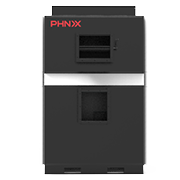
· Residential heating & cooling heat pump demand (often air-to-water applications)
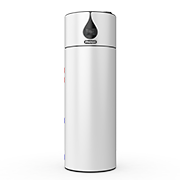
· Domestic hot water options, including heat pump water heater solutions where suitable
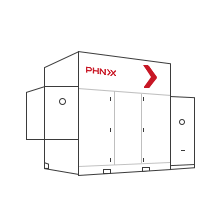
· Light commercial needs, including commercial water heating and small business applications
This reduces lost opportunities caused by application gaps.
Documentation & partner support: make it “market-ready”
Installers and project stakeholders often need complete, consistent packs:
· Datasheets, manuals, wiring guidance, hydraulic diagrams
· A responsive approach to project documentation and market requirements
· Clear warranty workflows and a spare parts strategy that protects the distributor brand
Supply readiness: treat it like a project business
For new builds, demand is tied to programme timelines. Preparation typically includes:
· Sample units + product onboarding plan
· Training schedule and technical support workflow
· Lead time alignment and stock/ordering strategy for peak periods
Distributor playbook: how to turn this trend into revenue (without overcomplicating)
If your goal is to grow your UK/EU heat pump channel business, keep it simple and repeatable:
1) Build a “core + options” portfolio
· Core: a set of models/capacity ranges that cover most new-build housing needs.
· Options: add-ons that unlock more projects (heating & cooling variants where relevant, DHW solutions, light commercial coverage).
2) Decide what to stock vs. what to order
· Stock: fast-moving capacities + common accessories/spares that reduce downtime.
· Order: project-specific items, special configurations, private label/OEM variants.
3) Standardise partner enablement
Provide a consistent distributor package to installers:
· quick-start guides,
· commissioning checklists,
· training materials,
· after-sales and warranty process map.
This turns your offer from “a box” into a reliable project supply solution.
PHNIX can support partners exploring these smarter control strategies through AI Smart Grid technology, subject to local system design and project requirements.
How to choose a heat pump manufacturing partner (OEM/ODM-ready)
As the market matures, supplier selection becomes less about a single model and more about delivery risk. A strong partner should offer:
· Broad product coverage (residential + DHW + light commercial)
· Stable manufacturing capacity and consistent quality control
· OEM/ODM readiness (private label, branding, configuration support)
· Distributor enablement: training, after‑sales processes, spare parts availability, marketing support
PHNIX is a professional heat pump manufacturer supporting B2B partners with solutions covering space heating & cooling, domestic hot water, and commercial water heating—built for cooperation with installers and distribution networks across Europe.
Practical readiness checklist (next 3–6 months)
Use this as an internal action list for the 2026–2028 pipeline:
· Review your new-build pipeline and likely specs for 2026–2028
· Confirm portfolio coverage: space heating/cooling + DHW + light commercial
· Standardise installation and commissioning steps to reduce call-backs
· Align documentation, spare parts availability, and after‑sales workflow before scaling volume
FAQ
What’s the biggest distributor mistake when expanding into heat pumps?
Treating heat pumps like a “single SKU product” instead of a project supply category that requires documentation, training, spares, and a clear after-sales workflow.
Should we focus on heating-only or heating + cooling heat pumps?
It depends on project expectations and region, but many partners evaluate heating and cooling heat pump options to match comfort expectations and broaden addressable opportunities.
Do incentives matter for closing deals?
They can reduce friction, but they’re not a strategy on their own. The distributor advantage is being funding-ready (clear quote structure and documentation) and guiding customers to the latest official eligibility rules.
What makes a manufacturer “distribution-ready” for the UK/EU market?
Broad-line coverage, stable supply, consistent quality, OEM/ODM capability when needed, and partner enablement: training, spares, after-sales, and practical sales/technical materials.
Can PHNIX heat pumps work with PV (including plug-in solar) and dynamic electricity tariffs, and what is “PHNIX AI Smart Grid”?
PHNIX heat pump systems can be configured to support smart control strategies that help improve energy use in electrified homes—such as aligning heat pump operation with on-site PV generation and, where applicable, time-of-use or dynamic electricity pricing.
PHNIX AI Smart Grid technology doesn't just enable heat pumps to work seamlessly with plug-in solar. By integrating real-time dynamic pricing updates, the AI intelligently schedules energy storage during off-peak hours when electricity is cheapest.
Partner with PHNIX
Planning for the UK new-build transition away from gas heating?
PHNIX supplies air source heat pump solutions for pool heating, space heating & cooling, domestic hot water, and commercial projects.
To start a partnership conversation:
· Request a product catalogue and price guidance
· Enquire about becoming a distributor
· Book a 15–30 minute online introduction (product range, lead time, support model, OEM/ODM options)
